
PFM Screen's BOM press felts are needle-punched paper machine clothing for the press section of paper machines, responsible for three simultaneous functions: dewatering the wet paper web, smoothing the paper surface, and transporting the sheet from the forming section to the dryer section. Available in single layer, double layer, triple layer, multi-axial laminated and seamed configurations — covering GSM 700–1750 g/m², NIP pressure up to 200+ kN/m, and machine speeds up to 1,000 m/min.
Inquire Now WhatsApp: +86 153 6967 9157
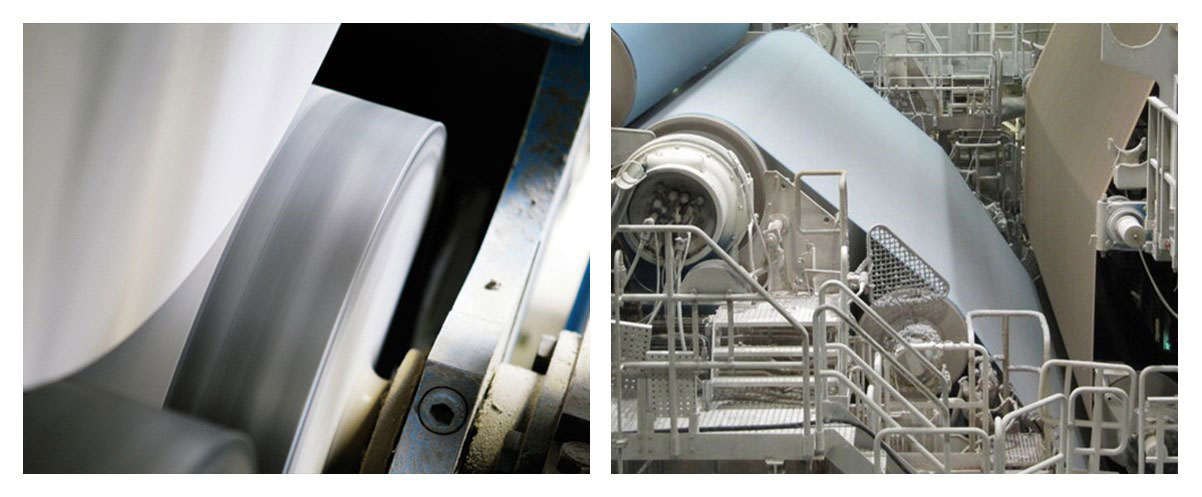
A press felt (also called a press fabric or paper machine felt) is a needle-punched textile used in the press section of a paper machine. After the forming section produces a wet paper sheet with 80–84% moisture content, the sheet is transferred onto the press felt and passed through one or more press nips. The felt simultaneously performs three critical functions:
01 Dewatering Absorbs and removes water from the wet paper web under press nip pressure, raising the paper's dry content from ~16% to 38–55%. | 02 Sheet Smoothing Provides a uniform, mark-free surface against which the paper is pressed — directly determining paper surface quality and printing performance. | 03 Web Transport Carries the paper sheet reliably from the forming section through the press nip to the dryer section without breaks or distortion. |
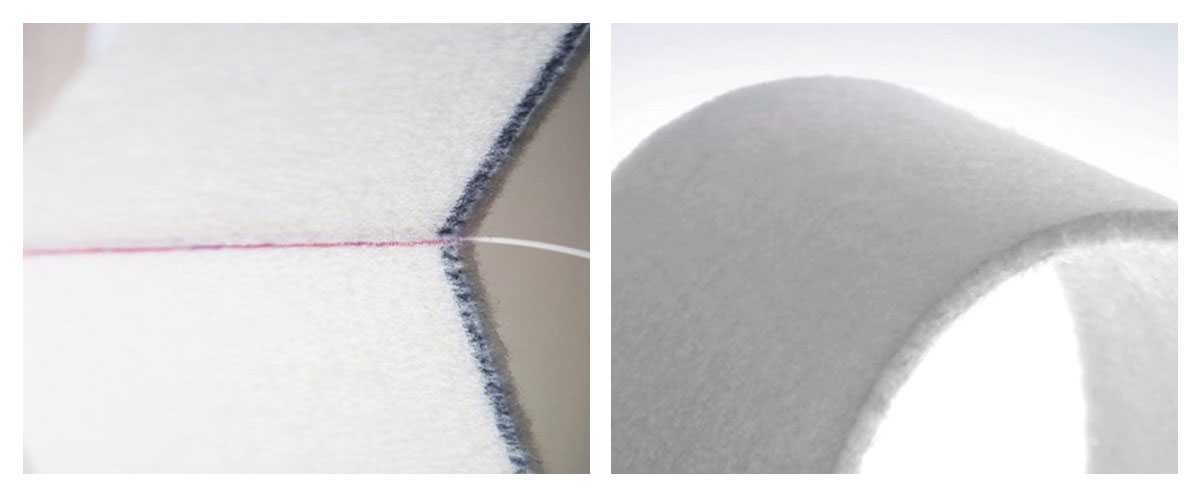
The choice of press felt directly affects paper dry content after pressing, paper surface quality, dryer section energy consumption, and felt running life. Each 1% improvement in dry content at the press section saves approximately 4% in dryer energy. PFM Screen's BOM (Base + Over + Monofilament) press felts are constructed from a base mesh layer of monofilament or composite synthetic yarn, overlaid with multiple layers of nylon or polyester staple fiber batt, then bonded by needle-punching, heat-set for dimensional stability, and finished with SMO (Smooth surface, Mark-free Operation) surface treatment.
|  |
700–1750 g/m² GSM Range Full Weight Coverage Single to triple layer BOM — all press positions covered | 200+ kN/m NIP Pressure Shoe Press Ready Triple layer & multi-axial laminated felts for the highest press loads | 1,000 m/min Max Speed High-Speed Compatible Low elongation ≤0.6% — stable running at high machine speeds | 30+ Years Manufacturing Proven Expertise Supplying paper mills in 50+ countries with BOM press felts |
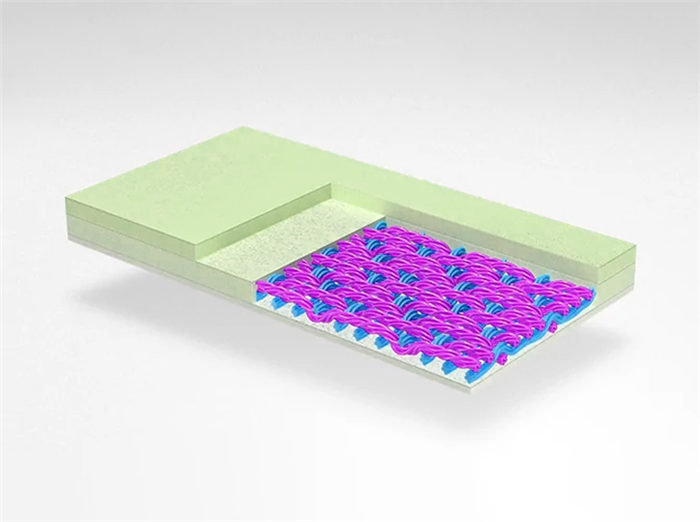 | Best for: First Press Position · Lower-Speed Machines · ≤800 m/min The most basic BOM press felt design — a single-layer base mesh overlaid with multi-weight nylon staple fiber batts, needle-punched and heat-set for dimensional stability. Available in four sub-types: Single Layer Forming BOM, Single Layer Press BOM, Single Layer Top BOM, and 1.5 Layer BOM. Performs well in first press positions on cylinder, Fourdrinier, and inclined wire paper machines. Low elongation (≤1%), easy to clean, no paper surface marking, and compatible with tissue grades (≥8 g/m²) through standard printing and packaging paper. ✔ GSM: 700–1200 g/m² | ✔ Air Permeability: 30–120 CFM |
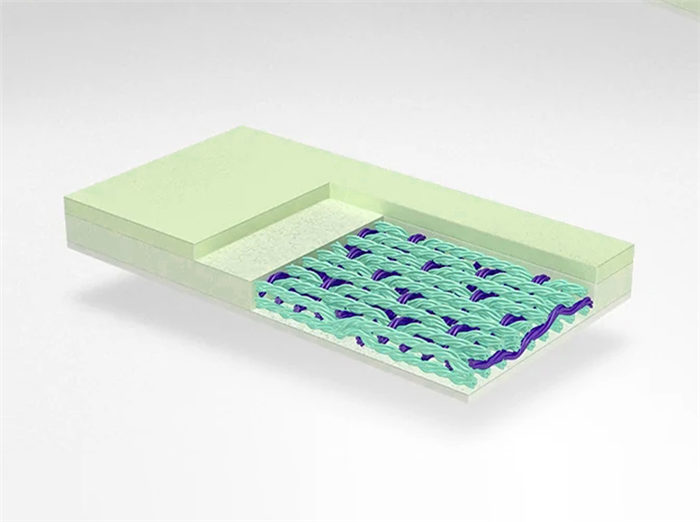 | Best for: Vacuum Suction Press · Groove Press · Multi-Nip Press · ≤1000 m/min Two base mesh configurations — 1+1 composite or double MD yarn structure. Delivers significantly higher press resistance, better flexibility, larger void volume, and superior dimensional stability compared to single-layer felts. Excellent resistance to vacuum marks, blind hole marks, and groove marks. Used to produce high-grade printing papers, newsprint, technical papers, and packaging papers on medium and high-speed machines. ✔ GSM: 950–1450 g/m² | ✔ Air Permeability: 30–110 CFM |
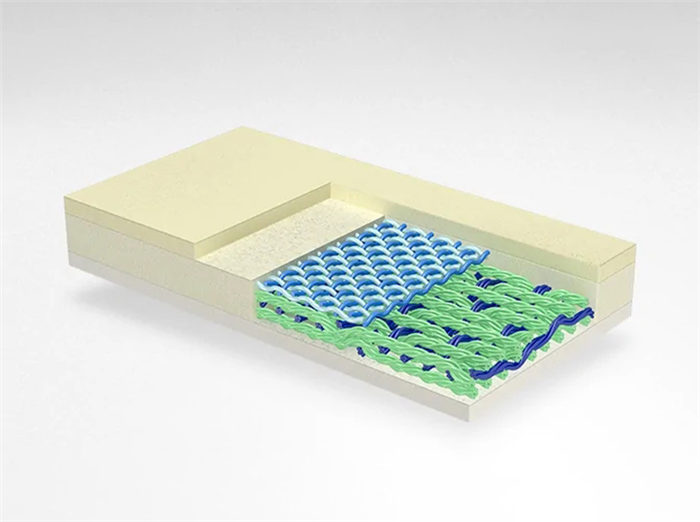 | Best for: Shoe Press · Large-Roll Press · High Line Pressure · ≤1000 m/min Three composite base mesh structures (1+2, 2+1, or 1+1+1) deliver the highest felt thickness, tensile strength, and void volume in the BOM range. Adapts to NIP pressures above 200 kN/m with high elasticity, excellent water filtration, reliable mark elimination, and dimensional stability under extreme press loading. Suited for vacuum compound press, large-roll blind-hole press, and shoe press on machines producing high-grade newsprint, writing paper, board, and technical papers. ✔ GSM: 1450–1750 g/m² | ✔ Air Permeability: 40–90 CFM |
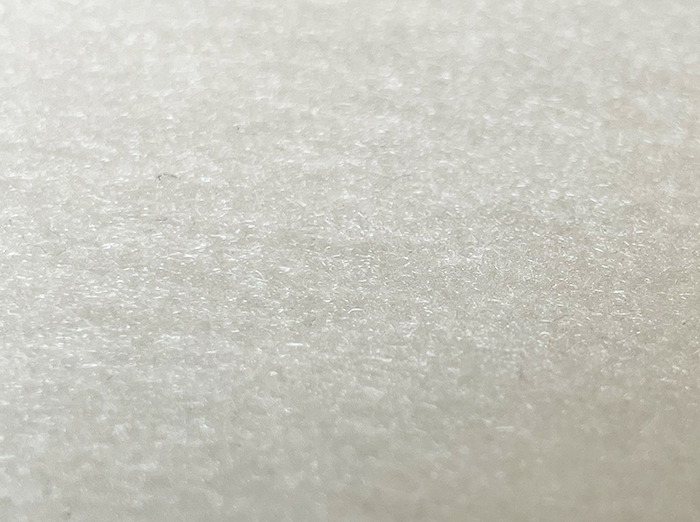 | Best for: High-Dehydration Press · Long Felt Life · All Paper Types An advanced construction in which base mesh layers are arranged in multiple directions and angles relative to the felt's machine-direction running axis. When superimposed in 1+1 or 1+1+1 configurations, the angular base meshes resist mutual crushing permanently — resulting in significantly higher resistance to compaction, consistent void volume, superior flatness resistance, and sustained water permeability throughout the entire felt life. Lower steam consumption and higher dehydration are direct operational benefits. ✔ Structure: Multi-directional base mesh (1+1 or 1+1+1) |
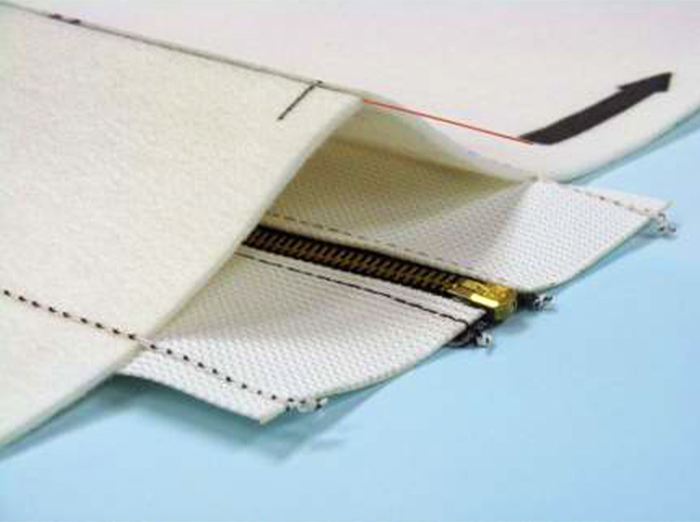 | Best for: Restricted Access Positions · Fast Changeover · All Paper Grades Seamed (open-end) press felts allow significantly safer and faster installation compared to endless felts — reducing labor, crane time, and machine downtime during felt changes. PFM Screen's seamed press felts feature a strong, mark-free seam area constructed with interlocking warp threads and seam ring units joined by core wires. Available in double or triple base mesh construction with adjustable void volume and openness. Suitable for all paper and board machines using virgin or recycled fiber. ✔ Structure: Double or triple base mesh |
Not Sure Which Press Felt Type Matches Your Press Section? Share your press type (vacuum suction, groove, shoe press, etc.), NIP pressure (kN/m), machine width, felt perimeter, machine speed and paper grade — PFM Screen engineers will recommend the optimal BOM felt construction within 24 hours. WhatsApp: +86 153 6967 9157 Email: polyestermesh@pfmscreen.com Online Inquiry Form |
| Press Position / Type | Recommended Felt | NIP Pressure | Key Requirement |
|---|---|---|---|
| First / Entry Press | Single Layer BOM | ≤80 kN/m | Easy startup · No paper marking · Cost-effective |
| Vacuum Suction Press | Double Layer BOM | 60–200 kN/m | No vacuum marks · High void volume · Mark-free |
| Groove / Blind-Hole Press | Double or Triple Layer BOM | 80–200 kN/m | No groove/hole marks · Large void volume |
| Large-Roll Press (3rd Press) | Triple Layer BOM | ≥200 kN/m | Maximum dewatering · Dimensional stability |
| Shoe Press (Extended Nip) | Triple Layer BOM or Multi-Axial | ≥200 kN/m | Compaction resistance · Consistent dewatering |
| High-Dehydration Section | Multi-Axial Laminated | Custom | Sustained void volume · Low steam consumption |
| Restricted Access / Fast Change | Seamed Press Felts | All ranges | Safe installation · Minimal downtime · Mark-free seam |
After leaving the forming section at 80–84% moisture content, the wet paper sheet is transferred onto the press felt and carried through one or more press nips. The press felt acts as a water-receiving medium — absorbing water squeezed from the sheet by nip pressure and releasing it through the felt body via vacuum suction on the return run. The press felt's internal void volume, permeability, and surface smoothness collectively determine how efficiently water is removed and how cleanly the sheet surface is formed.
01 Press Nip Compression The paper web and press felt pass together through the press nip. Nip pressure compresses the felt, squeezing water from the paper sheet into the felt's void volume at high speed. | 02 Vacuum Return Drainage On the return run, suction boxes apply vacuum to the felt, extracting absorbed water from the felt body and restoring its void volume — preparing it for the next nip cycle. |
03 Sheet Smoothing The smooth, mark-free SMO felt surface provides a uniform backing against which the paper sheet is pressed — determining paper surface quality, bulk, and printing performance. | 04 Sheet Transport The press felt carries the paper sheet from the forming section through each press nip to the dryer section — maintaining sheet integrity and preventing web breaks. |
Effective press felt selection is critical for energy efficiency. Each 1% improvement in paper dry content at the press section saves approximately 4% in dryer energy consumption. A well-matched press felt — correct GSM, void volume, air permeability, and base mesh structure for your press position and NIP pressure — maximises press dewatering, minimises energy use, and extends felt service life.
Q1: What is a press felt in papermaking?
A press felt is a needle-punched fabric used in the press section of a paper machine. It simultaneously dewaters the wet paper web (removing water by compression), smooths the paper surface, and transports the sheet from the forming section to the dryer section. The press felt directly affects paper dry content, surface quality, and energy consumption in the dryer section.
Q2: What is the difference between single layer, double layer, and triple layer BOM press felts?
Single layer BOM press felts (GSM 700–1200, NIP ≤80 kN/m) are used for first press positions on lower-speed machines. Double layer BOM press felts (GSM 950–1450, NIP 60–200 kN/m) provide higher void volume and compression resistance for vacuum suction and groove press positions. Triple layer BOM press felts (GSM 1450–1750, NIP ≥200 kN/m) deliver maximum tensile strength and void volume for shoe presses and high line-pressure applications.
Q3: How do I select the right press felt for my paper machine?
Press felt selection depends on press position (first press, vacuum suction, groove, shoe press), NIP pressure (kN/m), machine speed (m/min), felt width and perimeter, and paper grade. PFM Screen provides a free technical recommendation within 24 hours — contact us via WhatsApp +86 153 6967 9157 or email polyestermesh@pfmscreen.com.
Q4: What is a seamed press felt and when should I use it?
A seamed press felt has an open end joined by a mark-free seam, allowing installation without removing machine rolls or components. It is the preferred choice when machine design restricts endless felt installation, or when fast changeover and reduced downtime are priorities. Suitable for all paper and board grades using virgin or recycled fiber.
Q5: What does BOM mean in press felt construction?
BOM stands for Base + Over + Monofilament — the layered construction method: a base mesh of monofilament or composite synthetic yarn, overlaid with multiple nylon or polyester staple fiber batt layers, bonded by needle-punching and heat-set for dimensional stability. SMO (Smooth surface, Mark-free Operation) surface treatment is applied as the final finishing step.
Q6: What moisture content does paper reach after the press section?
After passing through the press section, the paper web typically reaches a dry content of 38–55% (moisture content 45–62%), depending on press type, NIP pressure, and paper grade. Each 1% improvement in dry content at the press section saves approximately 4% in dryer energy consumption — making press felt selection a direct energy cost lever.
Polyester forming fabrics for the forming section — single to triple layer, custom width Inquire Now | Spiral & woven dryer fabrics for the paper machine drying section Inquire Now | Full range — forming fabrics, press felts & dryer fabrics, all sections covered View All |
Ready to Order Your Press Felts? Get a Quote Within 24 Hours. Share your press section details — press type, NIP pressure (kN/m), machine width, felt perimeter, machine speed and paper grade — and PFM Screen engineers will recommend the optimal BOM felt construction and provide a competitive quotation within 24 hours. WhatsApp: +86 153 6967 9157 Email: polyestermesh@pfmscreen.com Online Inquiry Form |
