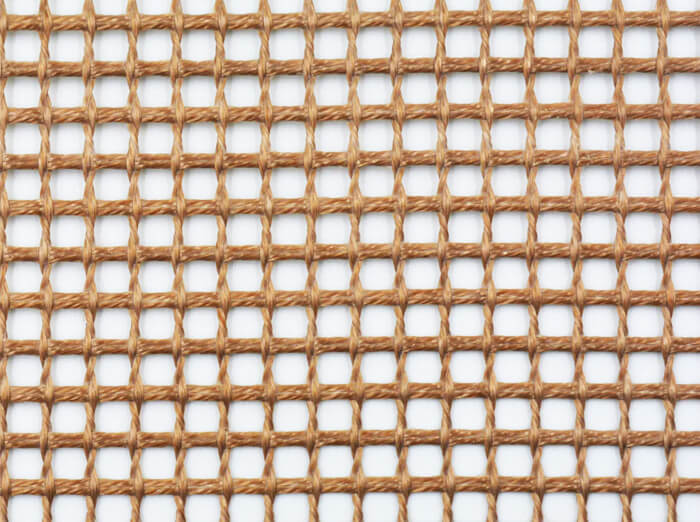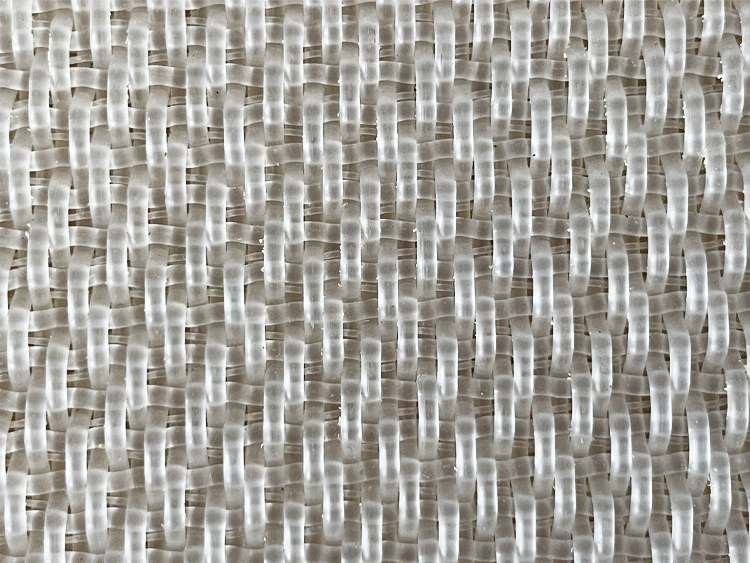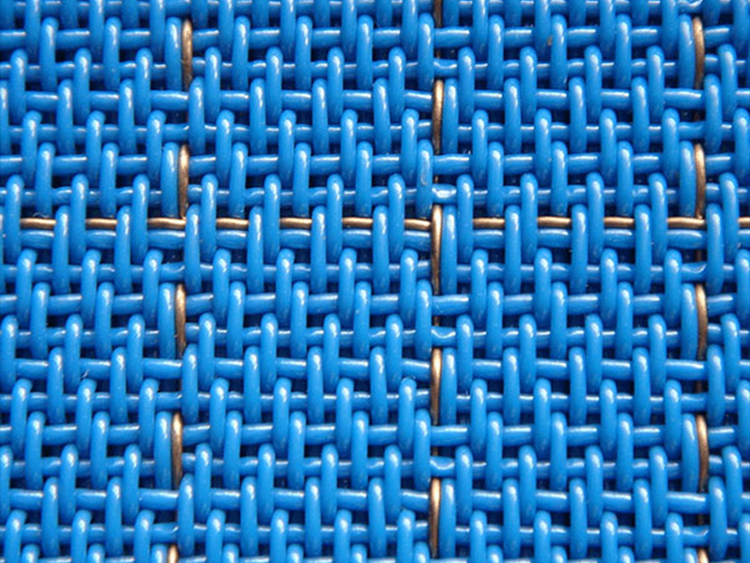
PFM Screen's Polyester Pulp Washing Mesh Fabric is precision-woven from polyester monofilament in 2-shed plain or 3-shed twill weave. Engineered for fast dewatering, high fiber retention, and reliable impurity removal, it serves as the filtration medium in horizontal belt pulp washers, vacuum washers, and rotary drum vacuum washers — covering OCC recycled pulp de-ashing, kraft brownstock washing, and bleaching plant applications.
Description
PFM Screen's Polyester Pulp Washing Mesh Fabric is a precision-woven polyester monofilament belt engineered as the critical filtration medium in paper mill pulp washing operations. Available in 2-shed plain weave and 3-shed twill weave constructions, it delivers fast dewatering, high fiber retention, and reliable impurity removal across horizontal belt pulp washers, vacuum washers, and rotary drum vacuum washers. With air permeability values from 9,500 to 15,000 m³/m²h and warp tensile strength up to 1,300 N/cm, PFM Screen's washing fabric is engineered to meet the performance demands of both OCC recycled pulp de-ashing and kraft brownstock washing applications.
01 Fast Dewatering High open-area woven geometry delivers rapid drainage of black liquor, filler-laden filtrate, and wash water under vacuum or gravity-driven belt washer flow | 02 High Fiber Retention Controlled uniform apertures retain long and short fiber fractions while passing dissolved solids, ash, clay, and CaCO3 — critical for OCC de-ashing efficiency | 03 Full Impurity Filtration Uniform woven apertures screen out debris, sand, clay, alkali-lignin residues, and dissolved organic solids from both recycled and virgin pulp streams | 04 Long Service Life Polyester monofilament resists hydrolysis, stretch fatigue, and chemical attack in alkaline black liquor and acidic wash environments |
The pulp washing stage is the critical impurity-removal checkpoint in both virgin fiber and recycled fiber processing. The washing fabric is the filtration medium through which black liquor, dissolved chemicals, and inorganic fillers are extracted — while fibers are retained and forwarded to fine screening or bleaching.
Pulping OCC Bales / Wood Chips | → | Coarse Screening Debris removal | → | Pulp Washing Belt / Drum Washer ◄ PFM Washing Fabric | → | Fine Screening Bleaching Stage | → | Paper Machine Forming Section |
PFM Screen manufactures pulp washing fabric in two primary weave structures, each optimized for different machine configurations and pulp wash requirements:
2-Shed Plain Weave ● Uniform square apertures — consistent impurity filtration across all mesh positions ● High weave stability — dimensional stability under vacuum tension and belt tracking ● Standard choice for horizontal belt washers and OCC de-ashing lines ● Also used in vacuum washers and rotary drum washers ● Cross-industry use: coal washing, food filtration, pharmaceutical conveying | 3-Shed Twill Weave — Higher Dewatering ● Higher drainage rate than 2-shed plain weave at the same wire density ● Longer warp float provides superior wear resistance on vacuum box / forming table ● Better fabric release after pressure nip or vacuum dewatering zones ● Preferred for higher-consistency brownstock washing or sulfate pulp applications ● Compatible with Andritz, Valmet, and Kadant Black Clawson wash press platforms |
Pin Seam Easy field installation and replacement; suitable for standard-tension horizontal belt washers | Spiral Seam Uniform seam profile; high drainage through the seam zone; low mat marking | Endless Seamless construction; maximum uniformity; no seam marking on pulp mat surface | Clipper / Mechanical Fast on-site fitting; suited to high-tension industrial wash belt configurations |
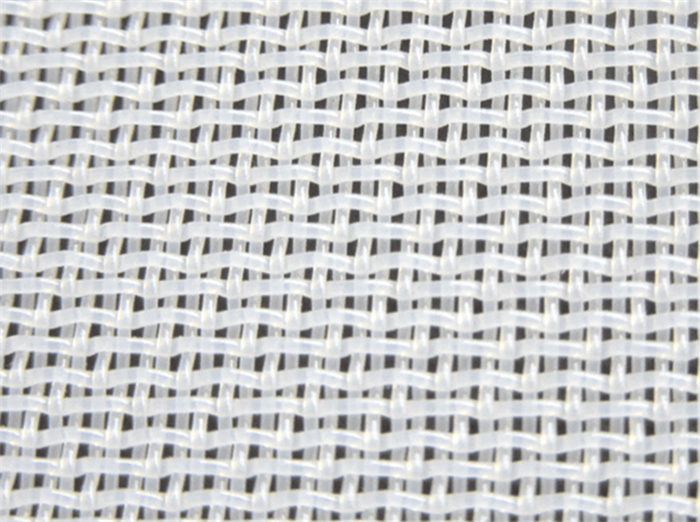 Pulp Washing Mesh Fabric — Belt View | 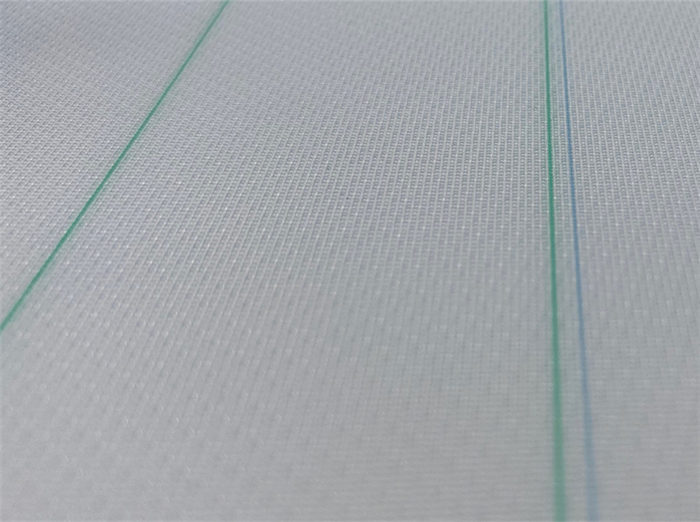 Woven Monofilament Mesh Detail | 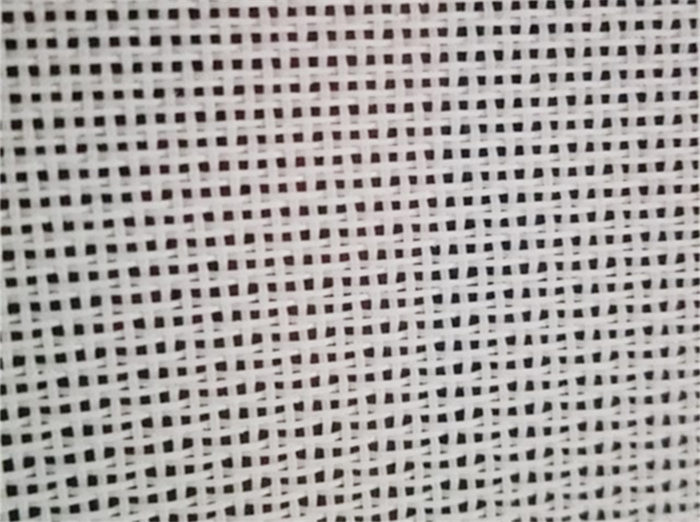 Belt Seam and Edge Construction |
Get a Custom Pulp Washing Fabric Quote Within 24 Hours Share your belt washer type, pulp grade (OCC / kraft / sulfite), belt width, seam preference, and quantity — PFM Screen will respond with specifications and pricing within one business day. WhatsApp: +86 153 6967 9157Email: polyestermesh@pfmscreen.com |
Feature
PFM Screen's pulp washing mesh fabric is engineered to meet the demanding performance requirements of paper mill washing equipment — combining precise monofilament weaving technology with the process expertise of a 30+ year paper machine clothing manufacturer. The same engineering applied to forming fabrics and press felts is applied to every pulp washing belt PFM Screen supplies.
Fast Dehydration Open-mesh woven structure with air permeability values from 9,500 to 15,000 m³/m²h enables rapid liquid removal under vacuum — critical for belt washer throughput and pulp consistency control at each washing stage. | High Fiber Retention Rate Controlled uniform aperture geometry retains long and short fiber fractions while efficiently passing dissolved solids, ash, and inorganic fillers (clay, CaCO3) — maximizing OCC de-ashing efficiency and minimizing fiber loss. | High Tensile Strength Warp tensile strength up to 1,300 N/cm and weft strength up to 850 N/cm. Ensures reliable operation under the continuous belt tension of vacuum and pressure dewatering zones without elongation or weave distortion. |
Strong Anti-Wrinkle Ability Cross-machine dimensional stability prevents transverse distortion and wrinkling under asymmetrical vacuum draw — maintaining consistent drainage distribution and straight-line belt tracking across the full belt width. | Chemical Resistance Polyester monofilament resists degradation in alkaline black liquor (kraft process) and in mildly acidic washing environments. Compatible with standard shower cleaning systems and mild chemical washing programs used in paper mill wash lines. | Very Durable Precision heat-setting post-processing stabilizes the woven geometry over thousands of running hours — minimizing aperture creep, mesh distortion, and premature replacement frequency on continuous horizontal and drum belt washers. |
● Paper machine clothing heritage: PFM Screen has manufactured forming fabrics, press felts, and dryer fabrics for over 30 years. Pulp washing fabric is engineered with the same monofilament precision as paper machine clothing — not adapted from generic industrial filter belt stock. ● Matched to your washer platform: whether your line runs Andritz, Valmet, Kadant Black Clawson, Voith, Bellmer, or GLV washing equipment, PFM Screen engineers mesh density, seam type, and belt width to match your machine geometry and pulp grade. ● OCC de-ashing expertise: as recycled fiber mills increasingly process high-ash-content OCC furnish, PFM Screen's controlled-aperture fabrics are optimized to maximize ash rejection without sacrificing fiber retention. ● Custom specifications: any belt width, any seam type (pin seam / spiral seam / endless / clipper), any mesh grade. Technical data sheets and samples supplied before full production orders. ● Responsive technical support: share a worn belt sample, technical drawing, or your machine's OEM model number — PFM Screen will recommend a replacement specification and quote within 24 hours. | Custom Order Checklist ✓ Machine type (belt / vacuum / drum washer) ✓ OEM brand and model (if known) ✓ Belt width and running length ✓ Pulp grade (OCC / kraft / sulfite / mechanical) ✓ Required mesh openness or existing mesh code ✓ Seam type preference ✓ Annual usage quantity ✓ Current belt life or problem to solve |
Discuss Your Pulp Washing Fabric Requirements PFM Screen's technical team is ready to recommend the right mesh code, weave type, and seam for your specific washing machine and pulp grade — at no obligation. WhatsApp: +86 153 6967 9157Email: polyestermesh@pfmscreen.com |
Application
PFM Screen's polyester pulp washing mesh fabric serves as the filtration medium across the full range of paper mill washing operations — from initial brownstock washing after kraft cooking, to OCC recycled pulp de-ashing, to bleaching plant washing. It also serves as a versatile filtration and conveying belt in coal washing, food processing, and pharmaceutical applications.
Compatibility guidance based on standard machine geometry and fabric requirements. Not a certified OEM partnership. Contact PFM Screen with your machine model for precise fit confirmation.
| Machine Type | Representative OEM Brands | Recommended Weave | Typical Application |
| Horizontal Belt Pulp Washer | Kadant Black Clawson Chemi-Washer, GLV / Lamort, Bellmer, Voith horizontal belt washer | 2-shed plain / 3-shed twill | OCC recycled pulp de-ashing; kraft brownstock washing |
| Vacuum Drum Washer | Andritz GasFree Filter (GF-Filter), Valmet CCA Vacuum Filter, Voith vacuum drum washer | 2-shed plain weave | Brownstock washing, bleaching plant washing, sulfate pulp |
| Rotary Drum Vacuum Washer | Andritz vacuum washer, Valmet CORU-DEK drum washer, Metso rotary drum | 2-shed plain weave | Multi-stage washing in kraft and sulfite fiberlines |
| Wash Press / Pressure Diffuser | Andritz Compact Press, Valmet TwinRoll Press, Bellmer Winklepress | 3-shed twill (higher drainage) | High-consistency brownstock and bleaching plant washing |
| Belt Thickener / Dewatering Belt | Generic horizontal belt thickeners in deinking and recycled fiber plants | 2-shed plain weave (fine mesh) | DIP (deinked pulp) thickening; fines and ash removal |
| Pulp Grade / Process | What the Fabric Removes | Key Fabric Requirement |
| OCC Recycled Pulp (De-Ashing) | Clay, CaCO3 fillers, sand, ink particles, dissolved organic solids | Fine controlled aperture; maximum ash rejection with minimum fiber loss |
| Kraft Brownstock (Virgin Pulp) | Black liquor (alkali-lignin, NaOH, Na2S, hemicellulose) for chemical recovery | High drainage efficiency; alkali resistance; chemical recovery throughput |
| Bleaching Plant Washing | Bleaching chemical residues (ClO2, O3, H2O2) and dissolved lignin fragments | High purity wash; resistance to oxidizing bleaching chemicals |
| Sulfite / Chemi-Mechanical Pulp | Spent cooking acid, residual lignin, dissolved solids | Polyester monofilament acid stability; high tensile strength under continuous tension |
| Fiberboard / Cardboard Pulp | Contaminants in recycled corrugated furnish; coating clay residues | Anti-wrinkle stability; wide belt widths up to 6,000+ mm |
| Subplate Pulp Packing | Residual chemicals, fines, and dissolved materials in pulp board production | High drainage rate; good mat support; stable belt tension |
The 2-shed plain-woven pulp washing mesh fabric also functions as a versatile industrial filtration and conveying belt in sectors beyond paper and pulp:
Coal Mining Coal slurry washing and classification; fine coal dewatering on horizontal vacuum belt filters | Food Industry Conveying and filtration in sugar processing, starch washing, grain classification, and fruit / vegetable processing lines | Pharmaceutical API washing, granulation conveying, and cake filtration in pharmaceutical manufacturing process lines requiring controlled mesh aperture | Fiberboard / MDF Pulp board production, fiberboard mat forming, and wet process hardboard dewatering conveying applications |
Ready to Replace Your Belt Washer Fabric? Share your machine type, belt width, pulp grade, and quantity — PFM Screen will recommend the right fabric grade and provide a competitive quote within 24 hours. WhatsApp: +86 153 6967 9157Email: polyestermesh@pfmscreen.com |
Specifications
| Code | Warp Dia. (mm) | Weft Dia. (mm) | Warp Density (wires/cm) | Weft Density (wires/cm) | Warp Strength (N/cm) | Weft Strength (N/cm) | Weight (kg/m²) | Air Permeability (m³/m²h) |
| 16304 | 0.25 | 0.30 | 19.0 | 15.5 | 1,200 | 800 | 0.39 | 15,000 |
| 18304 | 0.25 | 0.30 | 21.0 | 17.0 | 1,300 | 850 | 0.44 | 13,900 |
| 18354 | 0.25 | 0.40 | 21.0 | 19.0 | 1,300 | 850 | 0.48 | 12,000 |
| 18384 | 0.25 | 0.40 | 21.0 | 14.5 | 1,300 | 850 | 0.51 | 9,500 |
* Belt thickness: 0.60 mm (16304), 0.62 mm (18304), 0.66 mm (18354), 0.71 mm (18384). Seam joining strength: 600–650 N/cm (seamless endless seam). Custom mesh grades, filament diameters, belt widths, and seam types available on request. All specifications subject to manufacturing tolerances.
Q1: What is pulp washing mesh fabric and why is it used in a belt pulp washer? Pulp washing mesh fabric is a precision-woven polyester monofilament belt that serves as the filtration medium in horizontal belt pulp washers, vacuum washers, and rotary drum washers. As pulp slurry is fed onto the moving fabric, wash water is applied from above and vacuum boxes beneath draw the liquid — including dissolved black liquor chemicals, ash, clay fillers, and organic impurities — through the mesh. The fabric retains the pulp fiber mat on its surface while allowing the wash filtrate to pass. Choosing the right mesh grade is critical: too fine a mesh reduces drainage speed; too coarse a mesh loses short fiber fractions. PFM Screen's four standard mesh grades (16304 to 18384) cover the typical range for OCC recycled pulp and kraft brownstock washing. |
Q2: What is the difference between 2-shed plain weave and 3-shed twill weave for pulp washing? The 2-shed plain weave produces a square aperture mesh with uniform filtration characteristics across all positions — the standard choice for OCC recycled pulp de-ashing and most horizontal belt washer applications. The 3-shed twill weave uses a diagonal interlacing pattern that creates a higher effective drainage rate for the same mesh density, along with better wear resistance due to longer warp floats on the belt surface. The twill weave is preferred in higher-consistency brownstock washing applications or when running on wash press machines such as the Andritz Compact Press or Valmet TwinRoll. PFM Screen can supply both weave types to the same width and seam specification. |
Q3: Which mesh code should I choose for OCC recycled pulp de-ashing? For OCC (old corrugated container) recycled pulp de-ashing, the primary requirement is fine enough aperture to maximize ash (clay and CaCO3 filler) rejection while minimizing short fiber loss through the fabric. Code 18354 and 18384 — with their higher weft density and lower air permeability (12,000 and 9,500 m³/m²h) — are typically better suited for high-ash OCC furnish where tight fiber retention is critical. Code 16304 (air permeability 15,000 m³/m²h) is better for applications prioritizing drainage speed over fine retention. The right selection also depends on your belt washer speed, vacuum box configuration, and feed consistency. Contact PFM Screen with your operating parameters for a tailored recommendation. |
Q4: Can PFM Screen's pulp washing fabric replace original Andritz, Valmet, or Kadant Black Clawson washer belts? Yes. PFM Screen's pulp washing mesh fabrics are manufactured to customer-specified dimensions and can be sized to fit horizontal belt washers, vacuum drum washers, and wash press platforms from Andritz, Valmet (formerly Metso), Kadant Black Clawson, Voith, Bellmer, GLV, and other OEM suppliers. PFM Screen is an independent manufacturer — not an OEM-certified spare parts partner — but supplies replacement fabrics to the same width, length, seam type, and mesh grade as the original equipment specification. Share your worn belt's code number, width, length, and seam type, and PFM Screen will confirm a matching replacement. |
Q5: What joining / seam types are available for pulp washing belt fabrics? PFM Screen offers four seam configurations for pulp washing mesh fabric: (1) Pin seam — the most common for horizontal belt washers; easy on-site installation and replacement without removing the washer drive system; (2) Spiral seam — provides a uniform seam zone with good drainage and low mat marking; (3) Endless / woven endless — seamless construction with no hardware; highest uniformity and lowest marking risk; typically requires fabric installation with washer roll removal; (4) Clipper / mechanical fastener — for high-tension applications or emergency fast replacement. The choice depends on your belt washer design, access space, and maintenance preference. |
Q6: How is pulp washing fabric different from a standard forming fabric or dryer fabric? Pulp washing mesh fabric is a distinct product from paper machine forming fabrics and dryer fabrics, even though all three are woven polyester monofilament meshes. Forming fabrics must support very thin, uniform fiber mats at high machine speeds, requiring fine mesh and high stability. Dryer fabrics must tolerate high temperatures and transmit heat-laden air. Pulp washing fabric, by contrast, operates at much lower speeds, handles thick pulp mats at relatively low consistency (0.3–2%), and must simultaneously provide high drainage under vacuum while achieving effective displacement washing of dissolved chemicals and fillers from the pulp mat. PFM Screen's experience with all three product types ensures that pulp washing fabric is engineered specifically for its process position — not repurposed from other fabric lines. |
Q7: What is the typical service life of a pulp washing belt, and what causes premature wear? Service life varies significantly by machine type, belt tension, vacuum box geometry, shower pressure, and pulp chemistry. On horizontal belt washers, well-maintained fabrics typically last 6 to 18 months. On vacuum drum washers, service life can be longer due to lower abrasion forces. The primary wear mechanisms are: (1) abrasion from vacuum box edges and return roll contact; (2) chemical hydrolysis in high-alkali black liquor environments; (3) blinding (clogging) of apertures with fine ash or pitch deposits; (4) seam fatigue at high tension. PFM Screen can recommend a mesh code and weave configuration to maximize service life for your specific machine and pulp grade — and can advise on shower cleaning programs to minimize blinding. |
Q8: What is the minimum order quantity and lead time for pulp washing mesh fabric? PFM Screen accepts orders for a single replacement belt up to full mill inventory volumes — there is no fixed minimum order quantity. Standard lead time for custom-manufactured pulp washing fabric is typically 2 to 4 weeks after drawing or specification confirmation, depending on belt width, seam type, and production scheduling. Rush orders can be accommodated in certain cases. Contact our team via WhatsApp (+86 153 6967 9157) or email (polyestermesh@pfmscreen.com) with your belt dimensions and required quantity for a formal quotation within 24 hours. |
Ready to Order? Get a Quote Within 24 Hours Send your machine type, belt width, mesh code or air permeability requirement, seam type, and quantity — PFM Screen will respond with full specifications and pricing within one business day. WhatsApp: +86 153 6967 9157Email: polyestermesh@pfmscreen.com |