
A mesh belt dryer is one of the most widely used continuous drying systems in modern industry. It is applied in food processing, chemical production, sludge treatment, textile finishing, and wood-based panel manufacturing.
Compared with batch drying systems, mesh belt dryers offer:·
· Continuous production
· Higher efficiency
· Better energy utilization
However, real performance is highly dependent on one critical component: the mesh belt.
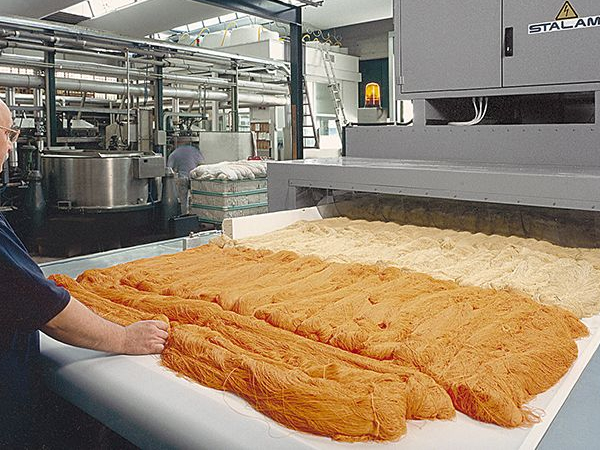
The mesh belt dryer operates based on forced convection heat transfer.
· Material feeding onto the belt
· Controlled conveying through drying chamber
· Hot air circulation through material layer
· Moisture evaporation and exhaust removal
The key mechanism is the penetration of hot air through the mesh belt, which enables uniform drying.
The mesh belt is not only a transport medium but also a functional part of the drying system.
Controls how much hot air passes through the material layer.
· High permeability → faster drying
· Low permeability → better support and stability
Ensures smooth material transport and prevents deformation or sagging.
Affects product marking, adhesion, and cleaning efficiency.
| Parameter | Function |
|---|---|
| Air permeability | Drying speed and efficiency |
| Mesh size | Product retention and airflow balance |
| Temperature resistance | Operating durability |
| Belt tension | Running stability |
| Chemical resistance | Suitability for harsh environments |
Typical polyester mesh belts operate up to 150°C under continuous conditions.
Used for drying:
· Vegetables
· Fruits
· Seafood
· Grain products
Requirements:
· Hygienic surface
· Moderate permeability
· Food-safe materials
Used for:
· Municipal sludge
· Industrial sludge
· Chemical residues
Requirements:
· High permeability
· Anti-clogging structure
· High drainage efficiency
Used for:
· Chemical powders
· Catalyst materials
· Granular materials
Requirements:
· Chemical resistance
· Stable drying control
Used for:
· Fabric drying
· Fiber processing
· Nonwoven finishing
Requirements:
· Smooth surface
· No marking
· Dimensional stability
Used for:
· MDF production
· OSB production
· Wood fiber drying
Requirements:
· High strength
· Heat resistance
· Long service life
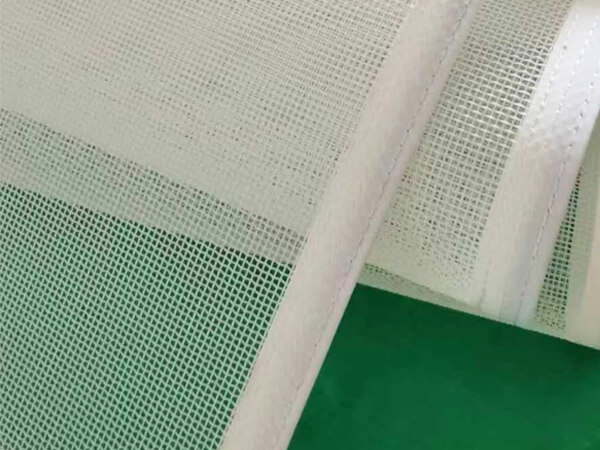
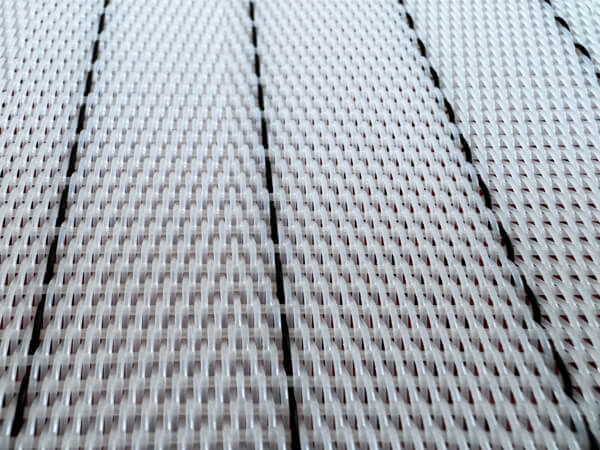
· Precise structure
· Stable surface
· Suitable for food and textile industries
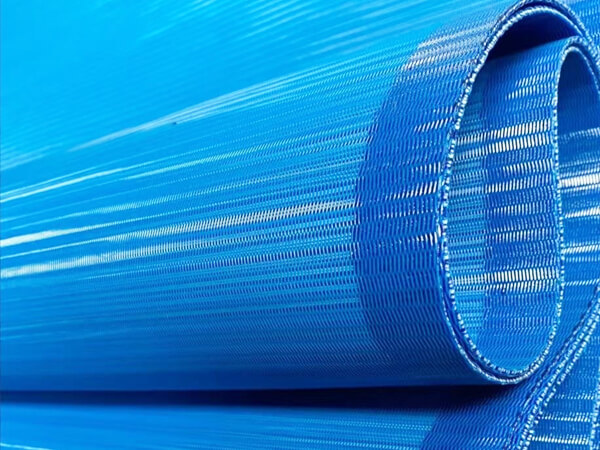
· High open area
· Strong drainage capability
· Ideal for sludge and heavy-duty applications
· Wet sludge → high permeability
· Fine food → medium permeability
· Slower speed → longer drying time
· Faster speed → higher throughput
Blocked mesh reduces airflow efficiency significantly.
| Problem | Cause | Solution |
|---|---|---|
| Uneven drying | Poor airflow distribution | Increase permeability |
| Belt deviation | Improper tension | Adjust tracking system |
| Low efficiency | Mesh clogging | Regular cleaning |
| Short lifespan | Hydrolysis/wear | Upgrade material grade |
It is used for continuous drying of food, sludge, chemicals, textiles, and industrial materials.
Spiral belts for heavy-duty applications, woven belts for precision drying.
Typically up to 150°C in continuous operation.
Higher permeability improves airflow and drying speed but must match material characteristics.
Contact us for professional mesh belt selection and customized industrial drying solutions.
